Why adaptogens still matter — an expanded view
Adaptogens are not a single pharmacological class—they are a pragmatic, ethnomedical category defined by three features: low toxicity, the ability to increase resistance to a broad range of stressors, and the capacity to normalize physiology irrespective of starting condition. Modern research frames adaptogenic activity across molecular pathways (HPA-axis modulation, antioxidant signaling, mitochondrial support, inflammatory regulation), but the practical outcome is often experienced as improved resilience: better sleep, more consistent energy, improved recovery and emotional steadiness.
The five adaptogens in this article—Reishi, Tulsi, Gynostemma, Ginseng, and Ashwagandha—represent different ecological and pharmacological strategies to promote resilience. Below you'll find expanded chemistry, mechanisms, study syntheses, dosing rationales, step-by-step protocols, recipes, and sourcing notes so you can apply each herb with clarity and safety.
Reishi (Ganoderma lucidum) — The Celestial Mushroom (Deep Dive)


Key bioactive families & what they do
Modulate inflammatory signaling and liver detox pathways; contribute to the bitter, tonic nature.
Immune-modulating — enhance innate surveillance while helping normalize cytokine profiles.
Antioxidant and neuroprotective actions; support mitochondrial health.
Mechanisms — molecular to system level
At the molecular level, triterpenes interact with inflammatory transcription factors and can downregulate NF-κB signaling in some models. Beta-glucans bind pattern-recognition receptors on macrophages and dendritic cells (e.g., Dectin-1), modulating cytokine output and improving pathogen recognition without excessive activation. Reishi extracts also show evidence of improving mitochondrial integrity and reducing oxidative markers in neural tissue, which may underlie reported sleep and cognitive benefits.
Clinical evidence — what the controlled trials and meta-analyses suggest
Clinical trials often use Reishi extracts for immune-related outcomes (common cold duration, NK cell activity), fatigue, and quality-of-life measures in cancer support settings. Improvements are typically modest and require consistent use (weeks). Importantly, Reishi is more of a restorative tonic than an acute stimulant — it changes the terrain rather than the immediate state.
Practical dosing rationale
Dosing depends on extraction method. Dual-extracts capture both water-soluble polysaccharides and alcohol-soluble triterpenes; these are preferred for broad-spectrum benefits. Typical experiment-derived ranges: 1,000–3,000 mg/day of dual-extract (split dosing if needed). Higher doses don't automatically produce stronger effects and may increase GI discomfort.
Recipe & ritual
Traditional decoction is still one of the best ways to use Reishi: simmer 1–2 g of ground fruiting body (or 1 tsp powder) in 400 ml water for 20–30 minutes to extract polysaccharides; adding a small alcohol component (e.g., warm brandy spoon) or using a dual-extract captures triterpenes.
Safety, interactions & monitoring
- Low toxicity in recommended doses
- Useful as a long-term nightly restorative
- Supports immune normalisation
- May interact with immunosuppressants — consult a clinician
- Occasional digestive upset or allergic reaction
- Quality variability — prefer COA-verified suppliers
Research video + buy links
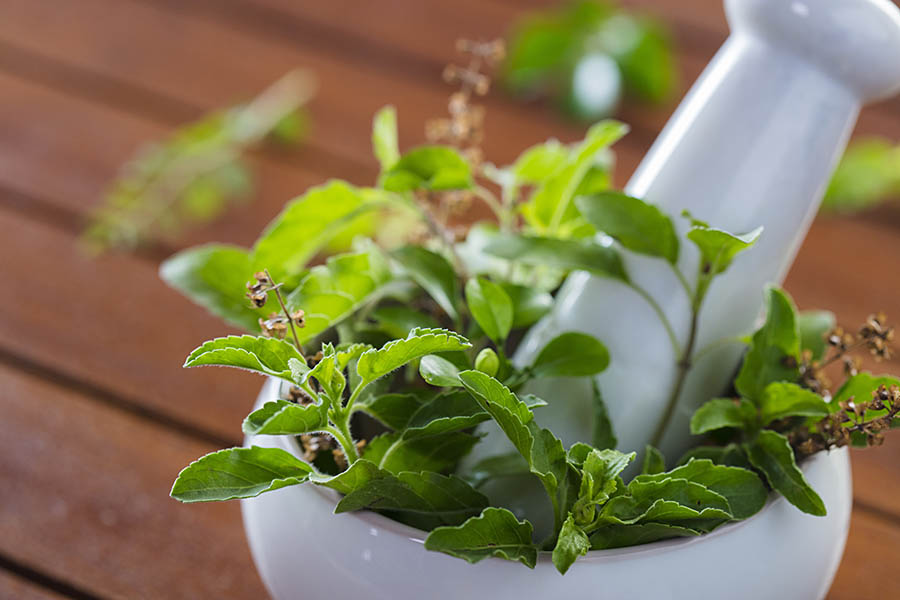
Holy Basil / Tulsi (Ocimum tenuiflorum) — The Queen of Herbs (Deep Dive)


Active chemistry — what to expect
Anti-inflammatory and analgesic activity; contributes to aromatic profile and mild antimicrobial effects.
Mild metabolic and anti-inflammatory actions; implicated in lipid and glucose regulation.
Respiratory support and aromatic neuromodulation.
Mechanistic overview
Tulsi modulates stress via cortisol reduction, supports antioxidant enzyme systems (glutathione, SOD), and exhibits mild adaptogenic modulation of autonomic tone. Its essential oils also exert antimicrobial and mucolytic effects useful in upper respiratory wellness.
Expanded practical guidance
For consistent adaptogenic support, use 300–600 mg/day standardized extract or 3 cups of strong Tulsi tea daily. When using Tulsi as part of a daytime stack, pair with a focus-supporting nutrient (e.g., magnesium L-threonate in evening is complementary; for daytime clarity try L-theanine + Tulsi).
Clinical context & evidence quality
Randomized controlled trials show modest reductions in perceived stress and improvements in quality of life measures. For metabolic endpoints (glucose, lipids), effects are modest and best understood as an adjunct to lifestyle changes rather than a primary therapy.
Video + buy links
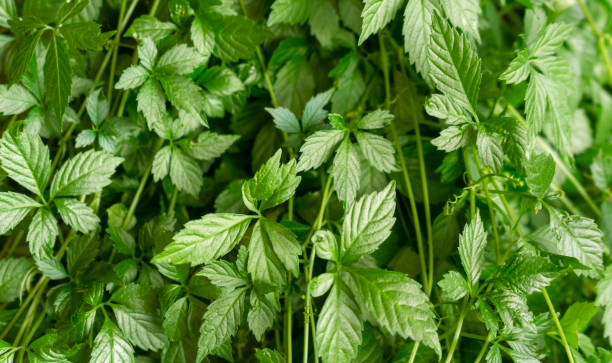
Gynostemma (Jiaogulan) — The "Immortality Herb" (Deep Dive)


Chemical profile & significance
Gynostemma contains a broad family of saponins (gypenosides) which structurally resemble the ginsenosides in Panax species but in different proportions. These saponins influence lipid metabolism, insulin sensitivity, and cellular antioxidant defenses. Experimental data indicate action on AMPK and related metabolic regulators in animal and cell models, supporting improved mitochondrial efficiency and fat oxidation.
Clinical impressions & ethnobotany
Communities that traditionally use Gynostemma report low rates of metabolic disease and high baseline vitality; modern small clinical studies support improvements in cholesterol and glucose handling when the herb is used alongside lifestyle measures. Its two-direction adaptogenic behavior (tonifying or calming depending on state) makes it especially user-friendly for daily consumption.
How to use — practical tips
Gynostemma tea (2–4 g of dried leaves) can be drunk daily. Standardized extracts (200–600 mg/day) are an option for those who prefer capsules. Start with tea to assess tolerance and response.
Safety
Generally well tolerated. At high doses some report digestive upset. Avoid in pregnancy due to lack of safety data. Because Gynostemma acts on metabolic pathways, monitor blood glucose if you take diabetes medications.
Ginseng (Panax spp.) — Root of Vitality (Deep Dive)



Ginsenosides and systems biology
Ginsenosides (Rb1, Rg1, Re, etc.) are the primary active constituents. They modulate neurotransmitter systems (dopaminergic, cholinergic), influence nitric oxide (NO) mediated vasodilation, and interact with mitochondrial and antioxidant pathways. Differences between Panax ginseng and Panax quinquefolius reflect varying ginsenoside profiles and, therefore, slightly different clinical effects.
Evidence summary
Controlled trials show improved cognitive performance under fatigue, better endurance outcomes in athletes, and immunomodulatory benefits in populations with chronic fatigue or aged immune systems. Effects are often moderate and most notable when ginseng is used in short cycles rather than continuously.
Practical dosing and cycles
Standardized extracts at 200–400 mg/day are commonly used in RCTs. Traditional decoctions (1–3 g/day of boiled root) are also used. A common modern strategy is cyclical use — e.g., 5 days on / 2 days off, or 8 weeks on / 2–4 weeks off — to maintain sensitivity and reduce tolerance risk.
Ethical sourcing & conservation
Wild Panax ginseng is internationally conserved in several regions. Always choose cultivated, traceable sources and avoid products that lack transparency about origin. Consider regional regulatory restrictions and wild-harvest bans.
Video & buy links
Ashwagandha (Withania somnifera) — King of Rasayanas (Deep Dive)


Primary actives & mechanisms
Withanolides are steroidal lactones thought to be central to Ashwagandha’s effects. They modulate GABAergic and glutamatergic signaling, down-regulate chronic HPA-axis activation (reducing cortisol), and provide antioxidant neuroprotection. Evidence from RCTs supports meaningful reductions in perceived stress and cortisol, alongside improvements in sleep and physical performance metrics.
Clinical trial highlights (generalized)
Randomized trials using standardized extracts (e.g., KSM-66, Sensoril) have consistently shown reductions in stress scales and cortisol; additional studies show improved muscle strength outcomes when Ashwagandha is combined with resistance training. Some trials in male fertility and testosterone also report improvements, but these are context-dependent (often in stressed or infertile cohorts).
How to dose and integrate
Typical modern dosing: 300–600 mg/day standardized extract. For traditional powder, 1–3 g/day prepared with warm milk/honey. For anxiety or sleep, evening dosing tends to be especially effective. For strength and recovery, split dosing or morning + evening may be used.
Safety & monitoring
Ashwagandha is well tolerated in most adults. Avoid in pregnancy. If you have autoimmune disease or are on immunosuppressants, consult a clinician. With thyroid disorders, monitor thyroid labs if starting Ashwagandha, since it may influence thyroid hormone activity in some individuals.
Protocols, stacks, and how to design a personalized adaptogen plan
This section helps you translate the above herb-specific detail into practical, conservative plans. The core idea: start simple, track objectively, and use quality products with COAs.
Design principles
- One change at a time: introduce a single herb, record baseline symptoms/metrics, wait 2–4 weeks before adding another.
- Objective tracking: sleep logs, mood scales, simple physical tests (vertical jump, grip strength), and basic labs (if accessible) are invaluable for determining real effect.
- Cycle & vary: use stimulatory adaptogens (Panax ginseng) in short cycles; keep Reishi, Tulsi, or Gynostemma as longer-term foundation herbs.
- Quality control: insist on COAs for heavy metals, pesticides, and microbial contamination. Prefer full-spectrum or dual-extracts where appropriate.
Example 12-week plan (balanced)
Weeks 5–8 (Performance & recovery): Add Panax ginseng 200 mg in the morning (cycle 5 days on / 2 off). Add Ashwagandha 300 mg evening.
Weeks 9–12 (Rest & consolidation): Stop ginseng, continue Reishi 1,500 mg nightly + Ashwagandha evening; maintain Tulsi and Gynostemma as desired.
Stack examples for common goals
Reishi (night) + Ashwagandha (night) + Tulsi (day) — focus on sleep quality and cortisol balance.
Panax ginseng (morning cycles) + Gynostemma (day) + Reishi (night) — use cycling for ginseng to prevent tolerance.
Monitoring & when to stop
If new symptoms develop (significant GI upset, unusual rashes, changes in mood or sleep), stop the herb and discuss with a clinician. Plan a 1–2 week washout after finishing a cycle to evaluate sustained benefits.
Sourcing, quality standards & environmental stewardship
Herbal efficacy often comes down to quality. The three pillars to check before you buy:
- Identity & part used: Latin binomial + plant part (fruiting body, root, leaf) — important for mushrooms and ginseng.
- Extraction & standardization: single-method vs dual-extract, with clear markers (e.g., withanolide % for Ashwagandha, ginsenoside % for Panax).
- Third-party testing: COAs for heavy metals, pesticides, solvents, microbial contaminants and potency verification.
Sustainability & ethics
Protect wild populations by preferring cultivated, farmed, or regeneratively harvested sources. For wild-sourced herbs (wild ginseng, some reishi varieties), demand traceability and evidence of sustainable harvest practices. Buying verified, ethical suppliers helps preserve ecosystems and supports local communities responsible for cultivation.
Large inventory, lab-tested product lines for nootropic-grade extracts. Look for COAs linked on product pages.
Visit Nootropics DepotWide retail options; filter for verified brands with COAs and high review counts.
Visit AmazonWhen possible, choose brands that publish full COAs and provide batch numbers you can verify with the manufacturer.
FAQ — deeper answers
Can adaptogens replace medications for anxiety or depression?
No — adaptogens can be supportive adjuncts but should not replace evidence-based treatments for clinical mood disorders. Discuss any changes with your treating clinician.
Which adaptogen is best for someone with autoimmune disease?
There is no universal answer. Some adaptogens (e.g., Reishi) modulate immune responses and could theoretically interact with immunosuppressants. If you have autoimmune disease, involve your specialist before starting herbal regimens.
Do adaptogens build tolerance?
Some adaptogens appear to have less tolerance risk (Reishi, Tulsi, Gynostemma), while stimulating ones (Panax ginseng) are best cycled. Design cycles to maintain sensitivity and evaluate effects objectively after washout periods.
References, further reading & next steps
This article synthesizes traditional sources and modern clinical trials. Below are representative reference topics; if you need a fully formatted bibliography (APA / Vancouver / Harvard), I can produce one for publication.
- Systematic reviews and RCTs on Ashwagandha (stress, cortisol, sleep).
- Meta-analyses on Reishi and immune function/quality-of-life endpoints.
- Metabolic and longevity research related to Gynostemma and AMPK activation.
- Ginseng trials on cognitive performance, endurance, and immune modulation.
- Tulsi clinical trials focusing on stress, glucose regulation, and antioxidant markers.
If you'd like, I can: (1) assemble a fully-sourced bibliography with links and DOIs; (2) split this article into five separate subpages with individual product/photo placement and expanded study citations; (3) produce a printable 12-week plan as PDF.