Why comparing these three matters
Anxiety isn’t a single disease — it’s a set of different patterns (chronic cortisol dysregulation, overstimulation, fatigue-driven anxiety). Ashwagandha, L-Theanine and Rhodiola each address different layers. This article walks through the science, real-user signals, pros/cons, and practical recommendations so you can pick the right tool for your nervous system.
Ashwagandha — Repair the stress thermostat
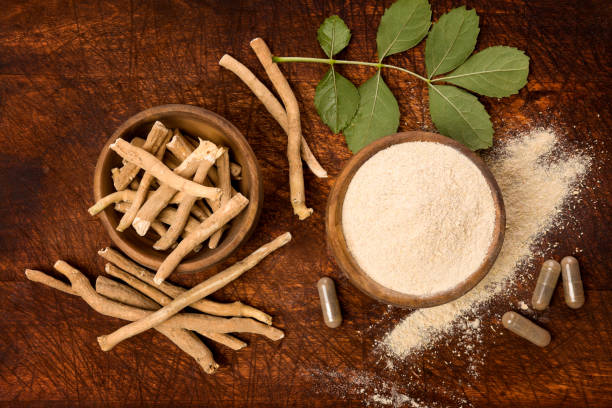

What it is: Withania somnifera, an adaptogenic herb used in Ayurveda for centuries to restore resilience to chronic stress and support restful recovery.
How it works (simple)
- Normalizes HPA-axis activity and lowers chronically elevated cortisol.
- Supports GABAergic tone (calm signalling) and BDNF pathways for brain repair.
- Produces gradual, cumulative benefits—best used daily as a foundation.
Clinical & practical notes
Research shows Ashwagandha can reduce perceived stress and normalize cortisol in people with chronic stress. Effects build over 1–6 weeks and often improve sleep and daytime resilience.
Dosing guidance
Standardized extract examples: 300–600 mg/day (root extract, KSM-66 or similar). Take with food. Allow 2–6 weeks for full benefit.
L-Theanine — Fast, clean calm without drowsiness

What it is: an amino acid found in green tea that quickly raises alpha brainwaves, increases GABA and modulates dopamine/serotonin to create “relaxed alertness.”
How it works (simple)
- Boosts GABA and influences alpha brainwave activity for calm focus.
- Works within 30–60 minutes and is ideal for situational anxiety.
- Pairs well with caffeine to smooth out jitteriness.
Clinical & practical notes
People use L-Theanine for social anxiety, performance nerves, and to reduce caffeine's edge. It typically does not cause sedation or long-term hormonal changes.
Dosing guidance
Typical dose: 100–200 mg for acute use; up to 400 mg in divided doses for stronger effect. Take as needed (30–60 minutes before the event).
Rhodiola rosea — stamina and clean resilience under pressure


What it is: an adaptogen traditionally used to support performance and tolerance to stressful conditions. Key actives (salidroside, rosavin) support energy production and neurotransmitter balance without harsh stimulation.
How it works (simple)
- Improves mitochondrial function and helps normalize cortisol during acute stress.
- Boosts dopamine/serotonin signaling for clearer motivation and reduced mental fatigue.
- Used best earlier in the day to support stamina and focus under pressure.
Clinical & practical notes
Rhodiola can feel energizing for people who are drained by stress. It can help with cognitive endurance, but timing and dose matter—too late or too high may feel stimulating.
Dosing guidance
Typical extract dosing: 100–400 mg/day standardized to rosavins/salidroside (follow product guidance). Take in morning or early afternoon.
Side-by-side: what to expect
| Aspect | Ashwagandha | L-Theanine | Rhodiola |
|---|---|---|---|
| Onset | Slow (weeks) | Fast (30–60 min) | Medium (hours–days) |
| Main effect | HPA normalization & repair | Acute calm & focus | Stress endurance & energy |
| Best use | Daily foundation | Situational use | Morning for demand days |
| Main caution | Hormone/thyroid interactions (rare) | None common; safe with caffeine | Can be stimulating if taken late |
Real users — community reports (paraphrased)
Below are paraphrased, community-sourced impressions from online threads. These are summaries of user-reported effects and are not clinical data.
Ashwagandha — common community impressions
Many users report that Ashwagandha felt subtle but steady — over weeks they noticed calmer evenings, improved sleep, and less “reactivity” during stressful events. A minority noted hormonal or thyroid concerns and recommended periodic monitoring. (community threads summarized)
L-Theanine — common community impressions
Users often describe fast, noticeable smoothing of jitteriness and better focus within 30–60 minutes. It’s frequently reported as the go-to for public speaking or for pairing with coffee to remove edge without blunting cognition.
Rhodiola — common community impressions
Community posts describe Rhodiola as energizing in a clean way: improved motivation and productivity under pressure. Some users cautioned that timing matters—taken too late it can interfere with sleep, and dosing needs personal tuning.
Sources: community threads and user posts summarized from discussion forums (r/nootropics and related subreddits). :contentReference[oaicite:0]{index=0}
Safety, stacking and practical protocols
General safety first: these supplements are common and generally well tolerated, but they interact with medications and individual biochemistry. If you are pregnant, nursing, taking prescription medications (especially thyroid meds, sedatives, or antidepressants), or have a medical condition, consult a clinician before starting any new supplement.
Simple stacking approach
- Daily base: Ashwagandha 300 mg once daily (if your goal is long-term stress balance).
- Acute support: L-Theanine 100–200 mg for situational anxiety or to smooth caffeine effects.
- Performance days: Rhodiola 100–300 mg in the morning for heavy workload days.
Common cautions
- Avoid taking Rhodiola late in the day if you are sensitive to stimulation.
- Monitor thyroid/hormones if you plan long-term high-dose Ashwagandha.
- Start low, test your response, and raise doses slowly.
Which is best overall?
There is no single “winner.” If your anxiety is chronic and tied to poor sleep and burnout, Ashwagandha as a daily foundation often helps most. If you need fast, situational calm without sedation, L-Theanine is the most reliable. If your anxiety is tied to exhaustion and you need strength under pressure, Rhodiola is likely the best match.
Many people use a combination: Ashwagandha daily, L-Theanine as-needed, and Rhodiola on high-demand mornings. Personalization is key.
References & further reading
- Community discussion summarised from r/nootropics threads (user reports on Ashwagandha). :contentReference[oaicite:1]{index=1}
- Community discussion summarised from r/nutrition / r/nootropics threads (user reports on L-Theanine). :contentReference[oaicite:2]{index=2}
- Community discussion summarised from r/nootropics threads (user reports on Rhodiola). :contentReference[oaicite:3]{index=3}
If you’d like, I can convert the reference list into direct article/DOI links and add clinical citations for each mechanism (e.g., HPA-axis trials, randomized Ashwagandha cortisol studies, L-Theanine EEG studies, Rhodiola clinical trials).