
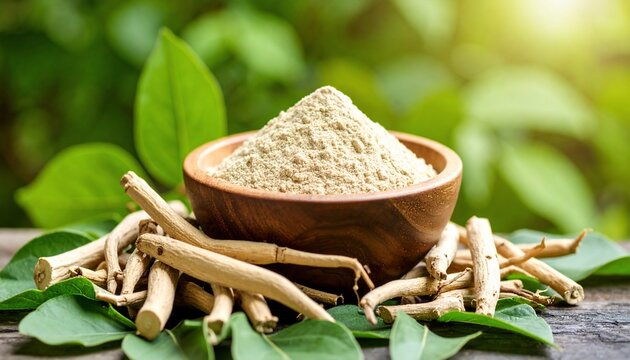

Ashwagandha: More Than Just a Hard-to-Pronounce Herb
So, what is this stuff? Ashwagandha (pronounced ash-wa-GAN-duh) is a small shrub with yellow flowers, and it's been the rockstar of Ayurvedic medicine (that's India's ancient wellness system) for over 3,000 years. Its name literally means "smell of the horse," hinting at its earthy scent and the traditional belief it gave you the strength and vitality of a stallion.
Fast forward to 2026, and we call it a premier adaptogen. That's a fancy word for a natural substance that helps your body adapt to stress—mental, physical, or environmental. Think of it like a smart thermostat for your nervous system: it helps cool you down when you're too "hot" (stressed/anxious) and can gently warm you up when you're too "cold" (fatigued). Its real job is to help you find balance.
The Science of Calm: How Ashwagandha Works in Your Body
It's not magic; it's biochemistry. Here's how this root works its modern magic on your stressed-out system.
1. It Tames Your Stress Hormones (Goodbye, Cortisol!)
Your body's main stress system is called the HPA axis. When it's stuck in overdrive, you're flooded with cortisol—the hormone that makes you feel anxious, foggy, and keeps you up at night. Ashwagandha's superpower is telling this system to chill. A landmark 2022 study in the journal Medicine found that taking Ashwagandha significantly lowered cortisol levels in stressed adults, sometimes by up to 30%. It's like giving your internal alarm a much-needed mute button.
2. It Soothes Your Brain's Wiring (Hello, GABA)
Feeling anxious often means your brain's main "brake pedal" (a neurotransmitter called GABA) isn't working hard enough. Ashwagandha gently supports your GABA system, promoting a natural calming signal. It's a bit like a mild, non-habit-forming version of how some anti-anxiety meds work—helping you find a quieter mental space without the fog.
3. It Fuels Your Brain's Resilience (BDNF Boost)
Chronic stress can wear down your brain cells. Ashwagandha fights back by encouraging the production of Brain-Derived Neurotrophic Factor (BDNF), a kind of "growth hormone" for your neurons. More BDNF means a more resilient, adaptable brain that's better at learning, memory, and handling challenges.
4. It Helps Balance Key Hormones
For men, research shows it can support healthy testosterone levels, which are crucial for energy, mood, and vitality. For both men and women, it helps modulate thyroid function, supporting a healthy metabolism. For many, this leads to better energy, a more stable mood, and a healthier libido.
What Does It Actually Feel Like? The Real-World Benefits
Okay, science is cool, but what will you notice? Here’s what consistent users report:
- The "Grounded Calm": This is the #1 report. It's not sedation. It's the feeling of your mind quieting down. Stressors that used to send you spiraling now feel manageable. You react instead of overreact.
- Quieter Mind, Sharper Focus: With lower cortisol, the mental static fades. You can concentrate on one task without your brain jumping to the next ten things on your list. The fog lifts.
- Better, Deeper Sleep: By calming the nervous system, many people find they fall asleep easier and wake up feeling more truly rested. It's not a sleeping pill, but it sets the stage for great sleep.
- More Steady Energy: Instead of the jagged spikes and crashes from caffeine, users often describe a smooth, sustained vitality throughout the day. You have the energy to do things, not just think about them.
- Improved Physical Resilience: From supporting post-workout recovery to easing everyday aches linked to stress tension, the anti-inflammatory effects are something you can feel.
See It In Action: Ashwagandha Explained
Watch this video for a great visual breakdown of Ashwagandha's traditional roots and modern benefits.
Your Practical Guide: How to Take Ashwagandha in 2026
Let's get practical. Here's how to make Ashwagandha work for you.
- The Sweet Spot Dose: Most of the positive research uses 300mg to 600mg of a standardized extract (usually 5% withanolides). Start at 300mg once daily.
- When to Take It: Most people take it in the morning with breakfast. If you find it relaxing, you can take it in the evening. Experiment to see what works for your body.
- Key to Success: Consistency & Patience. Adaptogens aren't instant. Give it at least 4-6 weeks of daily use to fully assess its effects. This is a marathon, not a sprint.
- Cycling (Optional but Smart): Some people choose to take it for 8-12 weeks and then take a 1-2 week break to let their body reset. Listen to your body.
Ashwagandha vs. The World: How Does It Stack Up?
| Herb | Primary Strength | Best For | Key Difference |
|---|---|---|---|
| Ashwagandha | Systemic Stress Adaptation | Chronic anxiety, cortisol reduction, hormone balance, deep resilience | The foundational, all-around adaptogen for long-term stress. |
| Rhodiola Rosea | Mental & Physical Fatigue | Beating burnout, acute energy for demanding tasks | More stimulating. Great for "I need to get through this." |
| Holy Basil (Tulsi) | Gentle Mood & Spiritual Calm | Daily mild stress, promoting a sense of peace | Milder, often used as a tea for general wellness. |
| Magnesium | Muscle & Nerve Relaxation | Physical tension, sleep support, cofactor for 300+ reactions | A mineral, not an herb. Works beautifully WITH Ashwagandha. |
Safety & Side Effects: What You Need to Know
Ashwagandha is incredibly safe for most people when used as directed. But let's be thorough:
- Common Side Effects (Rare & Mild): Some might feel overly relaxed or sleepy when starting. Taking it with food helps. This often passes.
- Who Should Be Cautious:
- Pregnant/Breastfeeding Women: Avoid unless under direct medical supervision.
- People with Autoimmune Diseases: (Like RA, Lupus, Hashimoto's). It can potentially stimulate the immune system—consult your doctor.
- Those on Medication: For thyroid, blood sugar, blood pressure, or sedatives. It can interact, so a doctor's chat is crucial.
- The Golden Rule: When in doubt, talk to a qualified healthcare professional. This guide is information, not medical advice.
Getting Started: Your Next Steps
If you're tired of feeling frazzled and are ready for a more grounded, resilient version of yourself, Ashwagandha is a phenomenal place to start.
1. Choose Quality: Look for a reputable brand that uses a standardized extract (like KSM-66® or Sensoril®) and provides third-party testing. You get what you pay for.
2. Start Low & Be Consistent: Commit to 300mg daily for 4-6 weeks. Keep a simple journal about your sleep, mood, and energy.
3. Listen to Your Body: It's your best guide. Adaptogens are personal.
Disclaimer: This content is for informational purposes only and is not a substitute for professional medical advice, diagnosis, or treatment. Always seek the advice of your physician or other qualified health provider with any questions you may have regarding a medical condition or before starting any new supplement.