Bacopa (Brahmi) vs Gotu Kola — Which Herb Is Best for Your Brain?
A practical, evidence-forward comparison of two classic cognitive herbs: their actions, benefits, dosing, pros & cons, and which one to choose depending on your goals.
Quick verdict (TL;DR)
Bacopa monnieri is the top pick when your priority is long-term memory formation, learning, and measurable improvements in recall — especially for students, lifelong learners, and anyone focused on retention. Gotu Kola (Centella asiatica) is often the better choice when your needs include calmer anxiety reduction, improved microcirculation, wound/healing support, and a mild boost to cognitive clarity. Both herbs are neuroprotective and complementary — they can be stacked carefully for broad brain support.
Scroll down for detailed mechanisms, clinical evidence, dosing, practical stacks, and embedded videos for each herb.
Bacopa monnieri — "Brahmi"
Bacopa has centuries of Ayurvedic use for memory, attention and stress resilience. Modern trials show consistent memory gains after 4–12 weeks with standardized bacoside extracts.


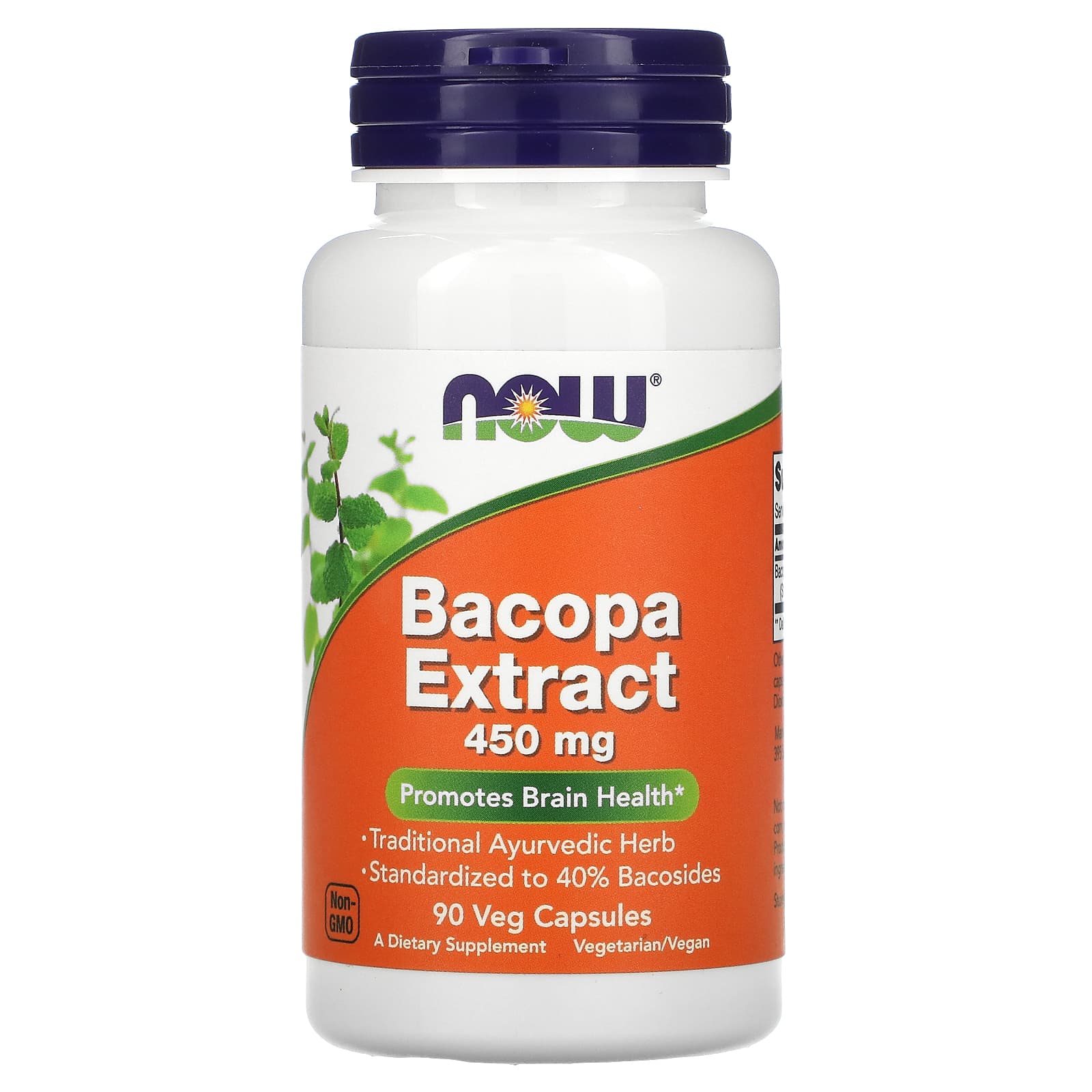
| Key actives | Bacosides A & B, bacopasaponins |
|---|---|
| Main effects | Memory consolidation, antioxidant, adaptogen, anxiolytic |
| Typical dose | 200–450 mg/day (45% bacosides) or 750–900 mg (20% extract) |
How Bacopa feels
Users describe a calm, steady improvement in recall and learning capacity over weeks — less mental clutter, more durable memory retrieval, and mild anxiolysis without sedation.
Gotu Kola — "Centella asiatica"
Gotu Kola is prized for cerebral circulation, stress buffering, and rejuvenating effects in traditional systems. It supports dendritic growth and microvascular flow, producing calm clarity and neuroprotection.


| Key actives | Asiaticoside, asiatic acid, madecassic acid, flavonoids |
|---|---|
| Main effects | Microcirculation, neurogenesis, anti-anxiety, cognitive clarity |
| Typical dose | 50–250 mg standardized extract (asiaticoside) or 400–450 mg powder |
How Gotu Kola feels
Many users report gentle mental clarity, more fluid thinking under pressure, calmer nerves, and subtle improvements in focus — often noticeable within a few weeks.
How each herb works — mechanisms in plain language
Bacopa monnieri (mechanisms)
- Cholinergic support: inhibits acetylcholinesterase and supports acetylcholine signaling — key for learning and memory encoding.
- Synaptic repair & growth: promotes BDNF and synaptic protein expression, supporting long-term memory consolidation.
- Antioxidant & anti-inflammatory: upregulates SOD/CAT and lowers oxidative damage in neurons.
- Stress resilience: modulates the HPA axis to blunt excessive cortisol spikes in chronic stress.
Gotu Kola (mechanisms)
- Neurotrophic & structural: asiaticoside and related triterpenoids stimulate dendritic growth and structural plasticity.
- Microcirculation: improves capillary and microvascular blood flow in the brain, which helps oxygen and nutrient delivery during cognitive work.
- GABA & glutamate balance: supports conversion pathways that increase inhibitory tone for calmer focus and reduced anxiety.
- Anti-oxidative & detoxifying: protects neurons from oxidative stress and helps resist environmental insults.
Clinical evidence — what research shows
Bacopa highlights
- Multiple randomized, placebo-controlled trials show improved memory measures (verbal recall, spatial working memory) after 8–12 weeks of a standardized bacoside extract.
- Meta-analyses consistently show small-to-moderate effect sizes for memory performance in healthy adults.
- Additional studies note reduced anxiety symptoms without cognitive dulling, and neuronal antioxidant protection in cell/animal models.
Gotu Kola highlights
- Human trials indicate improved working memory, attention and mood in some populations (doses and extract standardization vary between studies).
- Animal and cellular studies show marked dendritic growth, enhanced synaptic connectivity, and improved cerebral microcirculation.
- Clinical data also supports use for anxiety reduction and wound healing, highlighting its broader systemic benefits.
Pros & cons — side-by-side
Bacopa — Pros
- Best-supported for memory consolidation and learning
- Strong antioxidant & neuroprotective profile
- Works well stacked with L-theanine, Lion’s Mane
Bacopa — Cons
- Benefits take weeks to appear (4–12 weeks)
- May cause mild GI upset or early fatigue in some users
- Can interact with sedatives or thyroid meds — check with a clinician
Gotu Kola — Pros
- Supports circulation & microvascular flow (good for mental energy)
- Promotes dendritic growth — useful for neuroplasticity
- Often faster subjective effects for calm focus and anxiety reduction
Gotu Kola — Cons
- Standardization varies — potency can differ by product
- Rare liver enzyme elevation at very high or prolonged doses — monitor long-term use
- May cause drowsiness in a minority — test timing
Which herb should you choose?
Goal-driven recommendation:
- If your main goal is long-term memory, exam performance or measurable recall: choose Bacopa monnieri. It has the strongest RCT support for memory gains and learning outcomes when taken consistently.
- If your main goal is calmer focus, reduced anxiety, better microcirculation or general brain resilience: choose Gotu Kola. It’s especially useful when stress or poor circulation contribute to brain fog.
- If you want broad-spectrum brain support: consider rotating or stacking both (start with low doses and monitor). Bacopa’s memory consolidation + Gotu Kola’s microcirculation/neurotrophic actions are complementary.
Practical stacks & timing
- Bacopa: take with food and a healthy fat (e.g., olive oil) to improve absorption; morning and early afternoon split dosing reduces fatigue risks.
- Gotu Kola: often split across day; evening dosing helps sleep for some users but may cause drowsiness — test timing.
- Stack example: Bacopa 300 mg (45% bacosides) in the morning + Gotu Kola 100 mg standardized extract mid-day — track effects for 4–8 weeks before adjusting.
Videos & further viewing
Bacopa (embedded video)
Practical overview and dosing from the video you provided.
Gotu Kola — curated videos
Search-based video roll — replace with a specific tutorial if you prefer.
Where to buy / recommended shopping links
Below are curated search links — they open filtered results at each vendor. Replace with product-level links or affiliate tracking if needed.
Bacopa purchase links
Gotu Kola purchase links
Tip: look for standardized extracts (e.g., Bacopa 45% bacosides; Gotu Kola standardized to asiaticoside) and vendors that publish Certificates of Analysis (COA).