Before we dive into the list, I want to share a quick story. A friend of mine—let’s call him Mark—started losing his hair in his early thirties. He tried every “miracle” gummy he found on Instagram, spent hundreds, and got nowhere. Frustrated, he finally saw a dermatologist who explained that hair follicles need a combination of hormonal balance, reduced inflammation, and raw building blocks to thrive. That’s when he started using a few of the supplements we’ll talk about today—and after six months, his barber actually commented on new growth.
The point is: hair supplements can work, but only if you choose the ones with real science behind them. Let’s look at the evidence.
🔬 The Top Five: Supplements That Actually Work
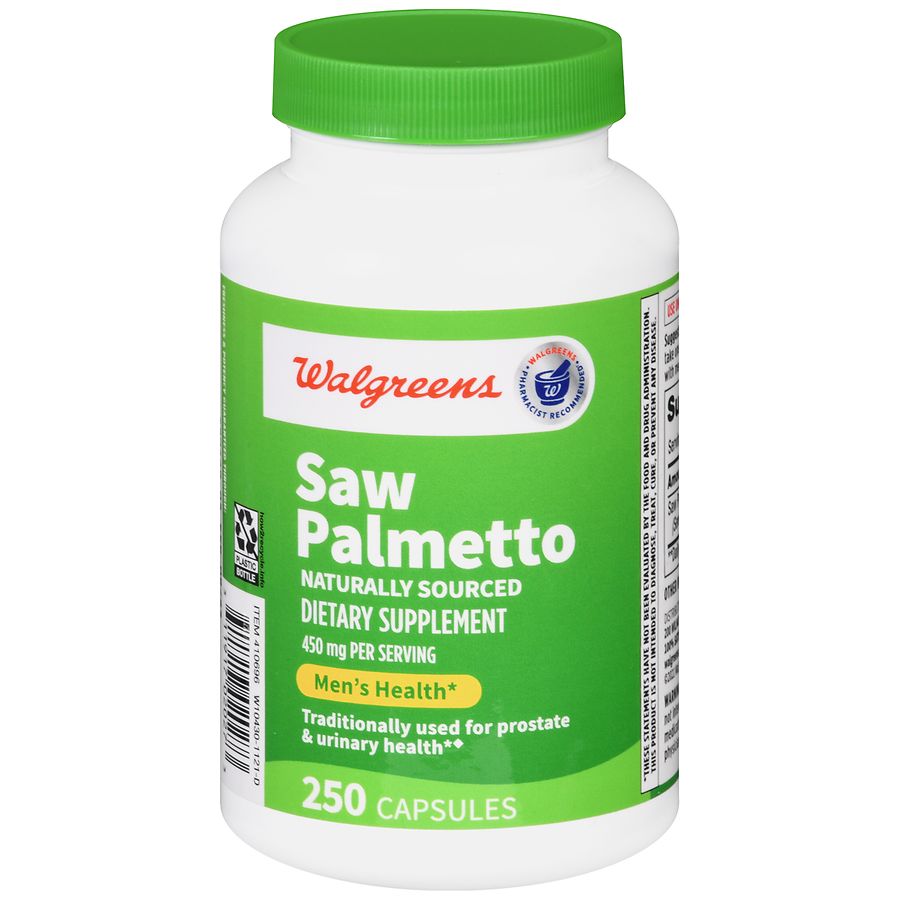
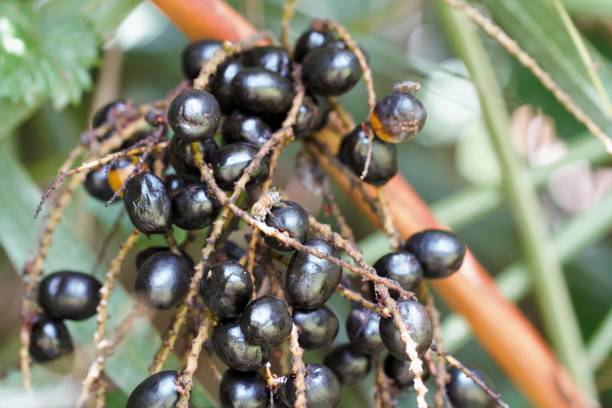
1. Saw Palmetto – The Gentle DHT Blocker
You’ve probably heard of DHT—the “bad” form of testosterone that shrinks hair follicles in people predisposed to male or female pattern baldness. Saw palmetto (Serenoa repens) contains fatty acids that inhibit the enzyme 5‑alpha reductase, which converts testosterone into DHT. Think of it as a natural, milder version of finasteride.
What the studies say: A 2025 review in Dermatology and Therapy analyzed several trials and found that saw palmetto, especially when combined with other ingredients, significantly reduced hair loss and improved density over six months. It’s the reason it shows up in almost every serious hair formula, including Nutrafol [1].
Practical advice: Look for an extract standardized to 85–95% fatty acids, and take about 320 mg daily. It’s very well tolerated, though a small number of people might notice mild stomach upset.
2. Marine Protein Complex – The Clinical Workhorse
If you’ve heard of Viviscal or Nourkrin, you’ve seen marine complex in action. These brands use a proprietary blend of shark cartilage, mollusk powder, and other marine extracts. It sounds a bit odd, but the data is impressive. A systematic review published in JAMA Dermatology singled out marine complex as having the highest‑quality evidence for increasing hair diameter and reducing shedding [2].
How it works: The marine proteins provide amino acids that support keratin production, and the glycosaminoglycans may help nourish the follicle directly. In one six‑month study, participants using a marine complex saw a significant increase in the number of terminal (thick) hairs [3].
My tip: If you try one of these, be patient—it usually takes at least three months to notice a difference.
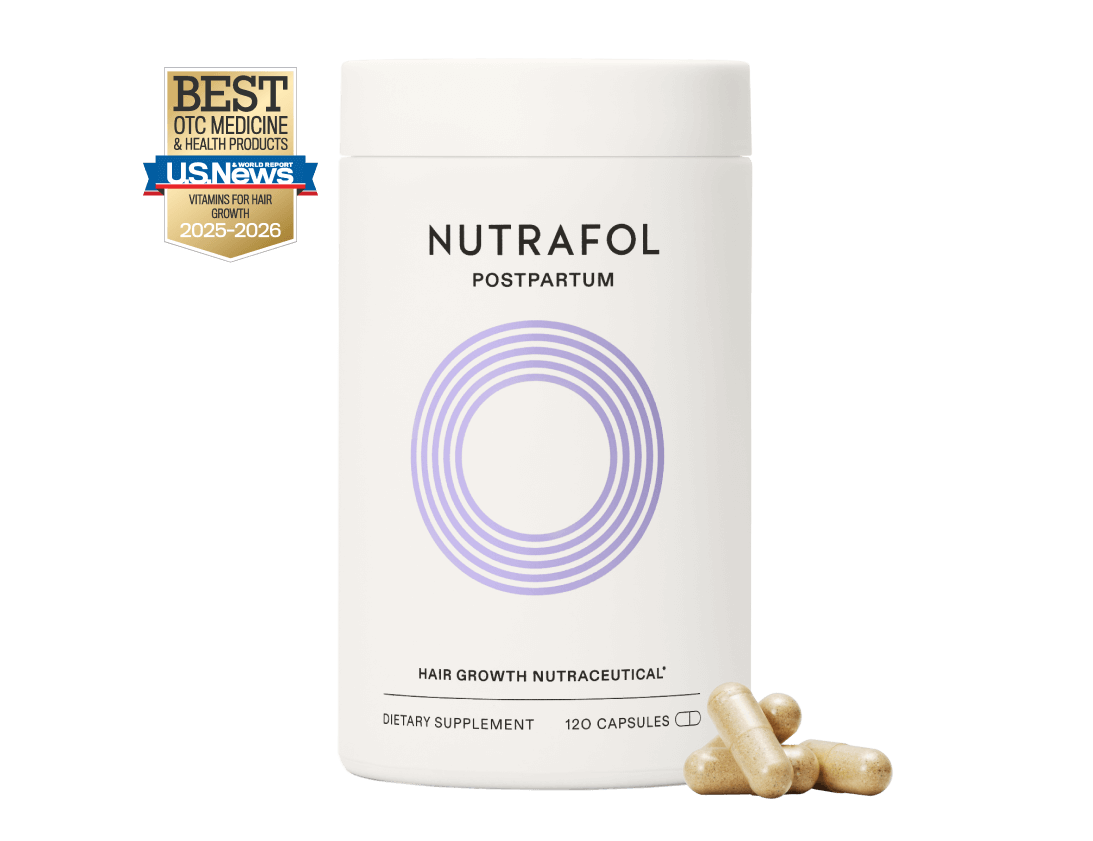
3. Nutrafol – A Multi‑Target Formula
Nutrafol isn’t a single ingredient; it’s a carefully designed blend that targets multiple drivers of hair thinning. Their newest version, Nutrafol Men 50+, includes saw palmetto, Moldavian dragonhead (which supports collagen), and spermidine (which promotes cellular renewal). In a company‑sponsored study, 84% of participants had thicker hair after nine months [4].
Why I like it: It’s a perfect example of the “shotgun” approach—by addressing hormones, stress, and inflammation simultaneously, you cover more bases. Independent research has confirmed that several of its components, like curcumin and astaxanthin, reduce oxidative stress in follicle cells [5].
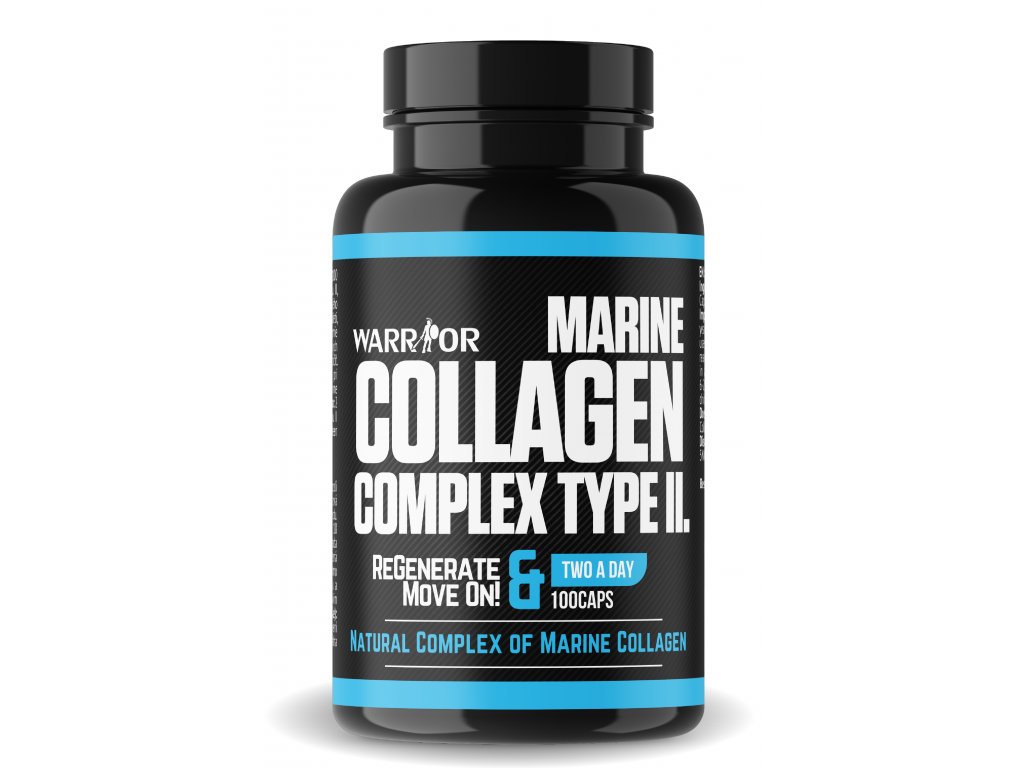
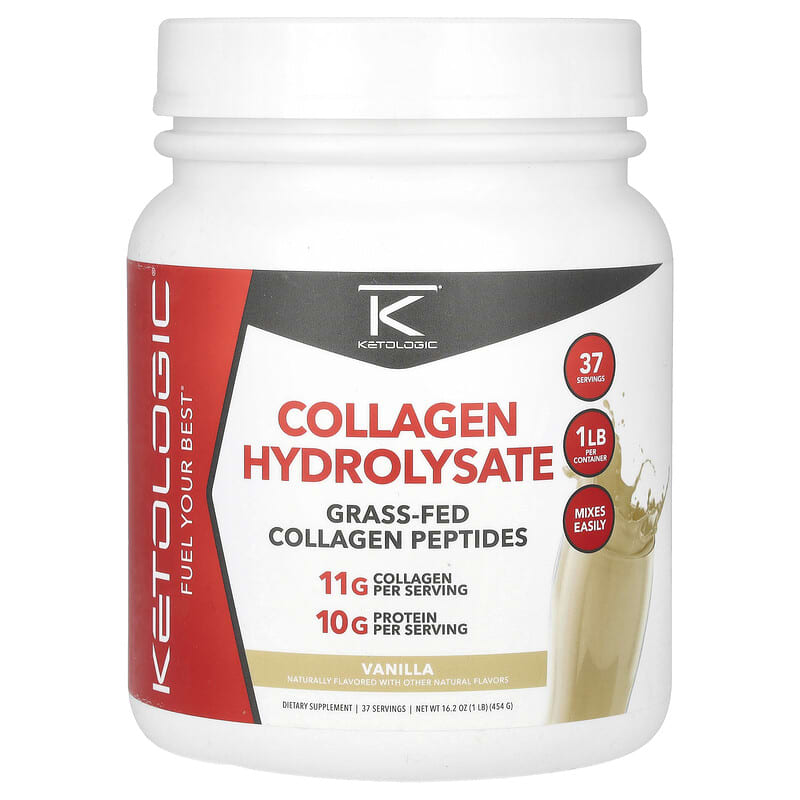
4. Collagen Hydrolysate – Building Blocks for Hair
Hair is mostly a protein called keratin, and keratin is built from amino acids—especially glycine, proline, and hydroxyproline. Hydrolyzed collagen provides those amino acids in a form your body can use right away. A 2025 randomized controlled trial found that adding fish collagen to a standard anti‑hair‑loss treatment boosted its effectiveness significantly [6].
The catch: You need to use hydrolyzed collagen (sometimes called collagen peptides), not regular gelatin. And it works best when combined with vitamin C, which helps your body incorporate the amino acids. I usually recommend about 10 grams daily, stirred into coffee or a smoothie.
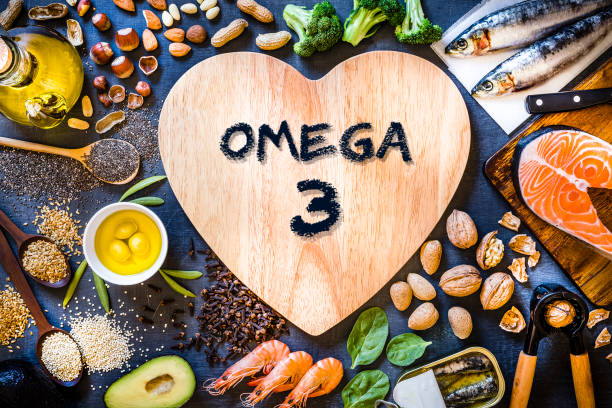
5. Omega‑3, Astaxanthin, and Vitamin D – The Anti‑Inflammatory Trio
Inflammation around the hair follicle is a major contributor to thinning. Omega‑3 fatty acids (especially EPA and DHA) are powerful anti‑inflammatories. Astaxanthin, a pigment from red algae, is one of the most potent antioxidants known. And vitamin D receptors are found on hair follicle cells—low vitamin D is linked to several forms of alopecia [7].
The evidence: A 2025 study followed 252 people using a supplement containing omega‑3, astaxanthin, and vitamin D. After six months, participants had significantly thicker hair and less shedding [8].
Dosing: Aim for about 1,000 mg combined EPA/DHA, 4–12 mg astaxanthin, and 1,000–2,000 IU vitamin D daily.
❓ Your Questions, Answered
How long do I need to take these before I see results?
Hair grows slowly—about half an inch per month. Most studies measure success at 3 to 6 months. Stick with it, and take photos every month so you can compare.
Can I combine multiple supplements?
Absolutely. In fact, many products (like Nutrafol) already combine several. Just watch out for overlapping ingredients that could push you over safe limits—for example, too much zinc or selenium.
Are these safe with prescription hair loss medications (finasteride, minoxidil)?
Generally yes, but always tell your dermatologist. Some supplements may complement the meds and help with side effects like scalp inflammation [6].
🛒 Where to Find Quality Supplements
For the established ingredients (saw palmetto, marine complex, collagen, etc.), I recommend buying from vendors who publish third‑party test results. Nootropics Depot and Amazon both carry reliable brands. The emerging compounds aren’t available yet—I’ll update this page as soon as they hit the market.
Disclosure: If you buy through these links, we may earn a small commission—at no extra cost to you. It helps keep this site ad‑free.