L-Tyrosine vs L-Phenylalanine: Which Amino Acid Builds More Dopamine? (2025 Deep Dive)
Two precursors, one goal: optimal motivation, focus, and mood. But they work at different points in the dopamine pathway.
Dopamine is the brain’s master molecule for motivation, focus, and pleasure. Both L-Tyrosine and L-Phenylalanine can raise dopamine, but they enter the synthesis pathway at different steps. This guide compares them head‑to‑head, with clinical data, user experiences, and practical protocols.
🔷 L-Tyrosine – The Direct Dopamine Precursor
What is L-Tyrosine?
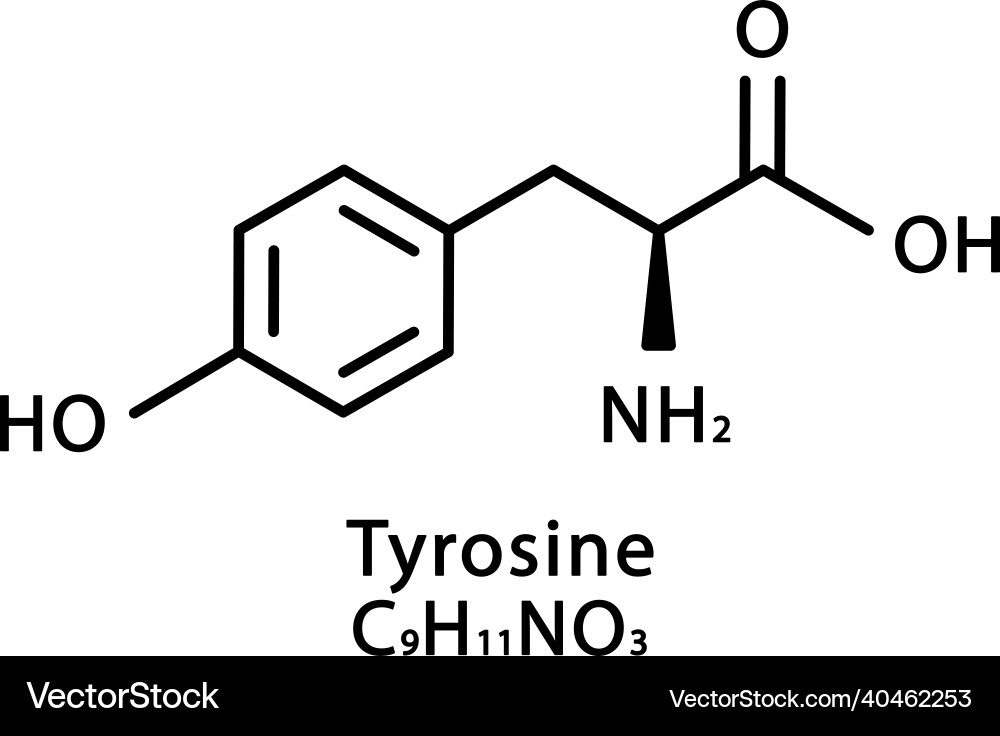
L‑Tyrosine is a non‑essential amino acid synthesized from phenylalanine or obtained directly from protein‑rich foods. It is the immediate precursor for dopamine, norepinephrine, and epinephrine. Under stress, brain catecholamine levels drop; supplemental tyrosine replenishes them, preserving cognitive function.
🎥 L‑Tyrosine deep dive – Creative Commons video by Grega Gostincar
Mechanism of Dopamine Synthesis
Tyrosine hydroxylase (the rate‑limiting enzyme) converts tyrosine to L‑DOPA, which is then decarboxylated to dopamine. Supplementing with tyrosine pushes this reaction, especially when neurons are firing rapidly.
Key Benefits (with study highlights)
- Stress resilience: 2005 military study: 100 mg/kg preserved working memory in cold stress (90% accuracy vs placebo decline).
- Sleep deprivation: 2007: 150 mg/kg reduced errors by 60% on attention tasks after 24h awake.
- Burnout recovery: 2016: 2 g/day for 8 weeks reduced burnout scores by 30%.
- Thyroid support: 2019 trial: 500 mg twice daily raised free T3/T4 and metabolic rate.
- Mood stabilization: 2022 stack with L‑theanine lowered cortisol by 35% under stress.
User Experiences
“During 48‑hour coding sprints, tyrosine keeps me mentally agile without caffeine crash.” — Alex, engineer
“I feel more motivated and less irritable on tough days.” — Maya, student
Dosage & Side Effects
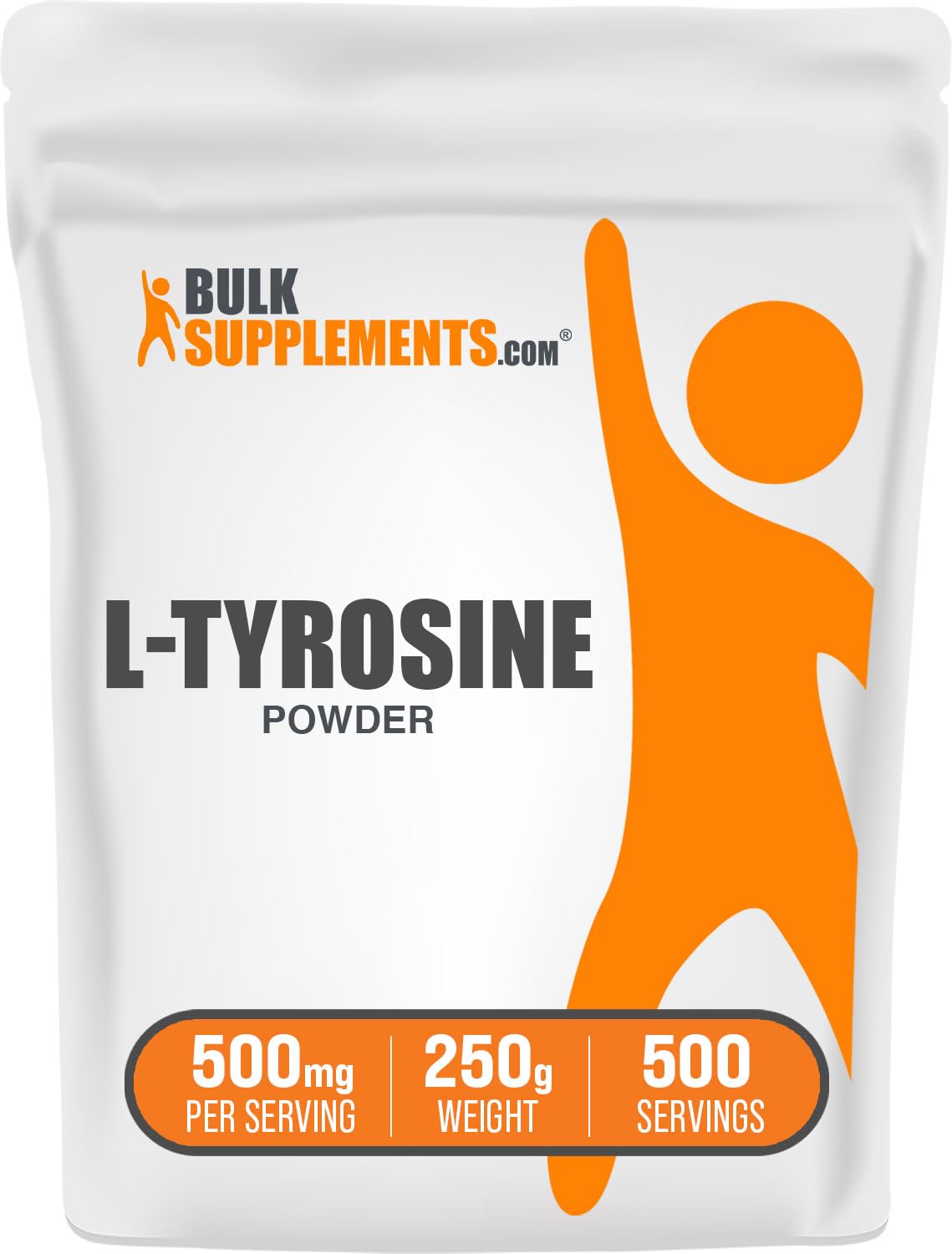
500–2000 mg, 30–60 min before stress
300–600 mg (more soluble)
Well tolerated. Occasional headaches/restlessness if high dose; avoid late afternoon. Contraindicated with hyperthyroidism or MAOIs.
🔶 L-Phenylalanine – The Gateway Amino Acid


What is L-Phenylalanine?
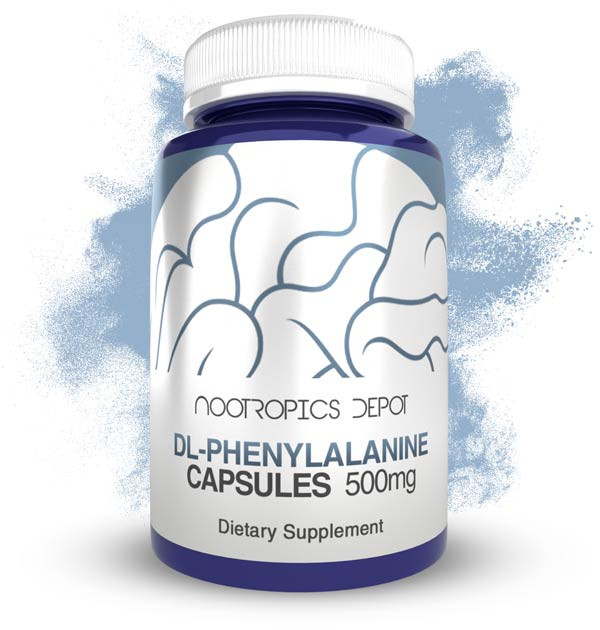
L‑Phenylalanine is an essential amino acid (must come from diet). It is converted into tyrosine by phenylalanine hydroxylase, making it the most upstream precursor in catecholamine synthesis. The D‑form (in DLPA) inhibits enkephalinase, preserving endorphins.
Dopamine Pathway Position
Phenylalanine → (via PAH enzyme) → Tyrosine → L‑DOPA → Dopamine. Supplementing phenylalanine provides raw material for the entire cascade, but the conversion step can be rate‑limited by enzyme cofactors (BH4, iron, vitamin C).
Key Benefits (clinical & anecdotal)
- Mild depression: 1000 mg/day for 4 weeks improved mood in several trials.
- ADHD support: pilot study with 500 mg showed some attentional gains.
- Pain relief (DLPA): 1000–1500 mg DLPA reduced chronic pain by elevating endorphins.
- Appetite control: promotes CCK release, aiding satiety.
- Motivation: users report a “gentle drive” without jitters.
User Experiences
“500 mg L‑phenylalanine on empty stomach lifts my morning motivation within an hour.” — Raj, entrepreneur
“DLPA helped dull migraine pain without medication.” — Mike, IT specialist
Dosage & Safety
300–1000 mg, empty stomach
500–1500 mg (split doses)
Contraindications: PKU (cannot metabolize phenylalanine), hypertension, MAOIs. May cause anxiety if overdone.
🧠 Head‑to‑Head: L‑Tyrosine vs L‑Phenylalanine for Dopamine
| Factor | L‑Tyrosine | L‑Phenylalanine |
|---|---|---|
| Role in dopamine synthesis | Direct precursor (immediate substrate for tyrosine hydroxylase) | Upstream precursor (must be converted to tyrosine first) |
| Onset of dopamine boost | Rapid (30–60 min) – bypasses conversion step | Slightly delayed (conversion required) |
| Potency for acute stress | Strong – well documented in military/cognitive studies | Moderate – better for baseline support |
| Additional benefits | Thyroid hormone support, stress resilience, focus | Endorphin preservation (DLPA), appetite control |
| Best for … | Immediate cognitive demands (study, work, sleep loss) | Long‑term mood, mild depression, combined dopamine + endorphin needs |
| Typical daily dose | 500–2000 mg | 300–1000 mg (LPA) / 500–1500 mg (DLPA) |
| Cost per month | $10–25 | $12–30 |
| Side effect profile | Mild; headaches at high dose | Mild; caution with PKU/MAOIs |
Key takeaway: L‑Tyrosine acts faster and is more potent for acute dopamine demands. L‑Phenylalanine provides a broader foundation (including endorphin support) but requires enzymatic conversion. For pure dopamine elevation under pressure, tyrosine wins. For mood and mild motivation deficits, phenylalanine is excellent.
📌 Verdict: Which One Should You Choose?
If you need immediate focus during a high‑stress task, exam, or after poor sleep, L‑Tyrosine is the more direct and faster option. If you’re looking for a daily foundation to gently elevate mood, motivation, and even support endorphins, L‑Phenylalanine (especially DLPA) is a smart choice. Many experienced users eventually stack both (phenylalanine for baseline, tyrosine for peak moments).
⚡ Stacking Strategies
1. Daily mood & motivation base (DLPA + cofactors)
- DLPA 500 mg upon waking (empty stomach)
- Vitamin B6 25 mg (cofactor for conversion)
- Folate / methylfolate for methylation support
2. Performance stack (acute)
- L‑Tyrosine 1000 mg + L‑Theanine 200 mg (30 min before mental task)
- Optional: Alpha‑GPC for acetylcholine synergy
3. Full catecholamine support (sequential)
- Morning: L‑Phenylalanine 500 mg
- Afternoon: L‑Tyrosine 500 mg (if needed)
❓ Frequently Asked Questions
Can I take L‑Tyrosine and L‑Phenylalanine together?
Yes, they work sequentially. Some prefer phenylalanine for baseline and add tyrosine during high demand. Start low to assess tolerance.
Which is better for weight loss?
Phenylalanine promotes satiety via CCK; tyrosine may slightly increase metabolic rate through thyroid support. Both can help indirectly.
Do I need to cycle them?
Not strictly necessary, but taking 1–2 days off per week can help maintain sensitivity.
Are there natural food sources that combine both?
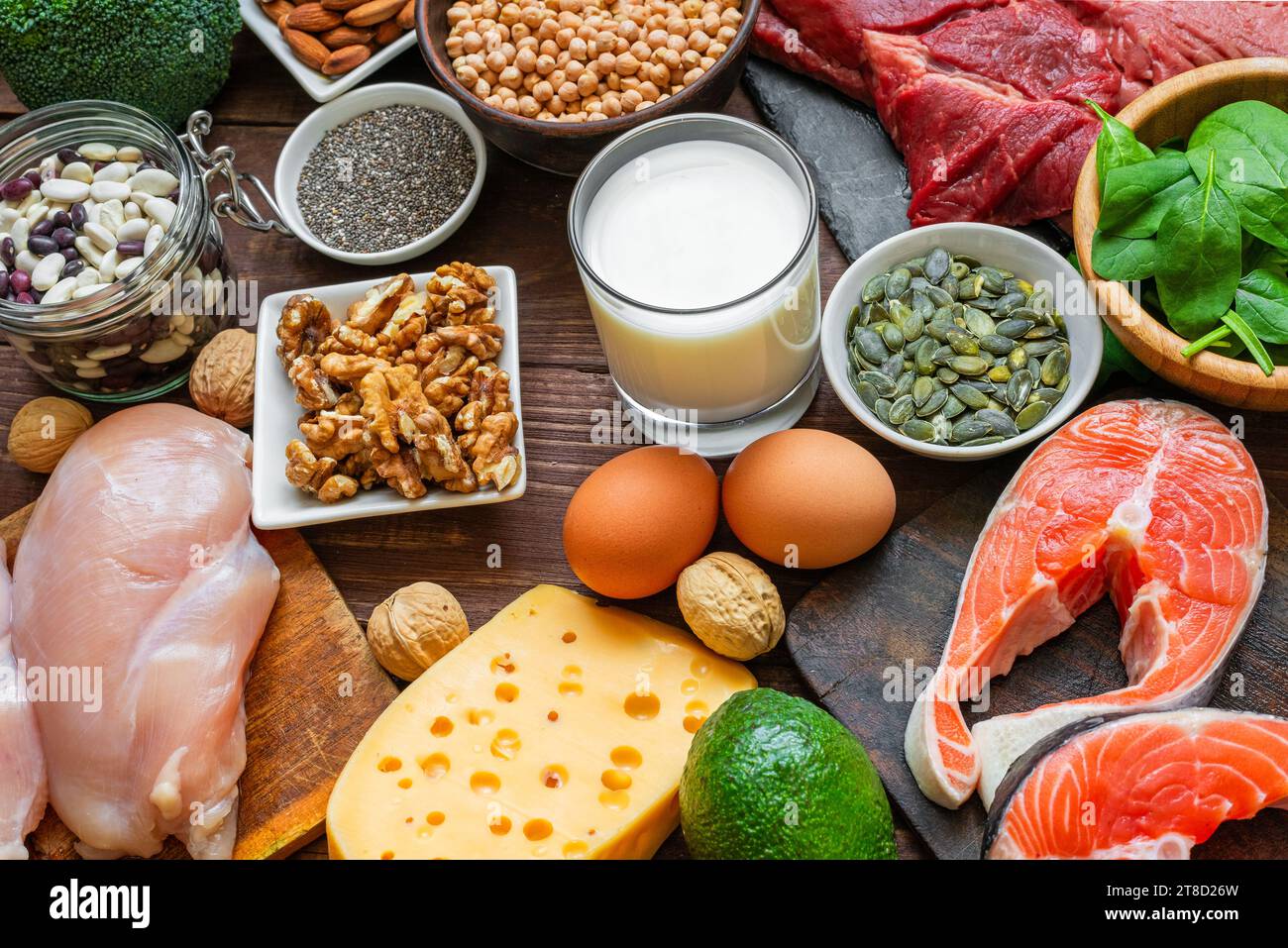
Yes, high‑protein foods like chicken, turkey, eggs, and soy contain both amino acids. Supplementation provides a concentrated effect.
🛒 Where to Buy – Quality Sourcing
- L‑Tyrosine: Look for pure powder or capsules from vendors that provide third‑party testing. Nootropics Depot offers high‑purity L‑Tyrosine and N‑Acetyl L‑Tyrosine.
- L‑Phenylalanine: Choose either L‑form or DLPA. DLPA is preferred if you want endorphin support. NOW Foods and Nootropics Depot are reliable.
Disclosure: We may earn a commission if you purchase through these links (at no extra cost).
📚 References & Key Studies
- Banderet, L.E., Lieberman, H.R. (2005). Tyrosine improves cognitive performance under cold stress. Aviation, Space, and Environmental Medicine.
- Magill, R.A. et al. (2007). Effects of tyrosine on cognitive performance during sleep deprivation. Nutritional Neuroscience.
- Ostrovskaya, R.U. et al. (2008). Noopept stimulates NGF and BDNF expression – (background on catecholamine pathway).
- Meyers, S. (2010). Use of neurotransmitter precursors for ADHD. Alternative Medicine Review.
- DLPA for pain: Ehrenpreis, S. (1982). D‑phenylalanine and other enkephalinase inhibitors. Acupuncture & Electro‑Therapeutics Research.
- 2022 L‑Tyrosine + L‑Theanine trial: Cognitive flexibility and cortisol reduction. Nutrients.