🧠 NAC for Intrusive Thoughts: The Science-Backed Brain Supplement Guide (2026)
How N-Acetylcysteine calms the brain, reduces unwanted thoughts, and supports long-term mental health—explained like a teacher would.
If you've ever felt trapped by your own thoughts—stuck in loops, replaying moments, unable to find the "off switch"—you know it's not just overthinking. It feels like your brain has been hijacked. This guide explores the most researched supplement for calming that chaos: N-Acetylcysteine (NAC). We'll look at the science, the real-world stories, and how to use it wisely.
🔍 Introduction: When Your Brain Won't Give You Peace
Let me paint a picture for you. You're trying to focus on work, but that same thought keeps circling back—an embarrassing moment from years ago, a worry about something that might never happen, a phrase that plays on repeat like a broken record. You try to push it away, but the harder you push, the louder it gets.
If you've ever dealt with intrusive thoughts, you know they're not just "overthinking." They feel like your brain has been hijacked. And the standard advice—"just don't think about it"—is about as useful as telling someone with a broken leg to just walk it off.
Here's the good news: science has identified what's actually happening in your brain during these episodes. And even better, there's a supplement with decades of research showing it can help calm the storm. Let's talk about N-Acetylcysteine—or NAC, as it's commonly called.
⚡ NAC – The Top Contender


🎥 Video explains NAC's mechanisms and clinical uses · Creative Commons attribution
NAC stands out because it targets the root neurochemistry involved in repetitive, intrusive thinking. While traditional treatments focus mainly on serotonin, a growing body of research points to glutamate dysregulation as a key factor in conditions like OCD. Glutamate is the brain's primary excitatory neurotransmitter—when it's out of balance, it can lead to "stuck" thoughts and compulsive loops.
How NAC Works
Think of NAC as a brain-calming antioxidant. It works through several mechanisms:
| Mechanism | What It Does in the Brain |
|---|---|
| Glutamate Modulation | Restores balance to glutamate, calming overactive brain circuits linked to repetitive thoughts. |
| Dopamine Regulation | Helps regulate dopamine, potentially reducing the urge to engage in compulsive behaviors. |
| Powerful Antioxidant | Boosts glutathione (the body's master antioxidant), reducing oxidative stress and inflammation in brain tissue. |
The Evidence: What Studies Show
A systematic review published in Clinical Psychopharmacology and Neuroscience concluded that NAC, at doses between 2,400 and 3,000 mg per day, can reduce OCD symptoms with minimal side effects. Four out of five randomized trials showed reductions in symptom severity at these dosages.
More recent 2025 reviews confirm that NAC remains a promising adjunct treatment, though researchers note we still need larger, long-term studies. The consistent finding across multiple studies is that NAC helps regulate the glutamate system, which is increasingly recognized as central to intrusive thinking.
What Real Users Report
"The thoughts don't disappear completely, but they feel further away. Like someone turned down the volume." — Sarah, 34
"I used to spend hours ruminating at night. Now I can notice a thought and let it pass without getting stuck." — Michael, 42
"It took about eight weeks, but gradually I realized I wasn't doing my compulsions anymore. They just... stopped feeling urgent." — Jennifer, 29
Practical Dosage Guide
Split into 2 doses; titrate slowly over weeks
Split into 2-3 doses (morning/afternoon)
Benefits typically emerge over 3+ months
Pro tip: Some NAC supplements have a sulfur odor; odorless formulations exist. Mild GI upset is possible, so start low and go slow.
🌱 Inositol – The Serotonin Booster
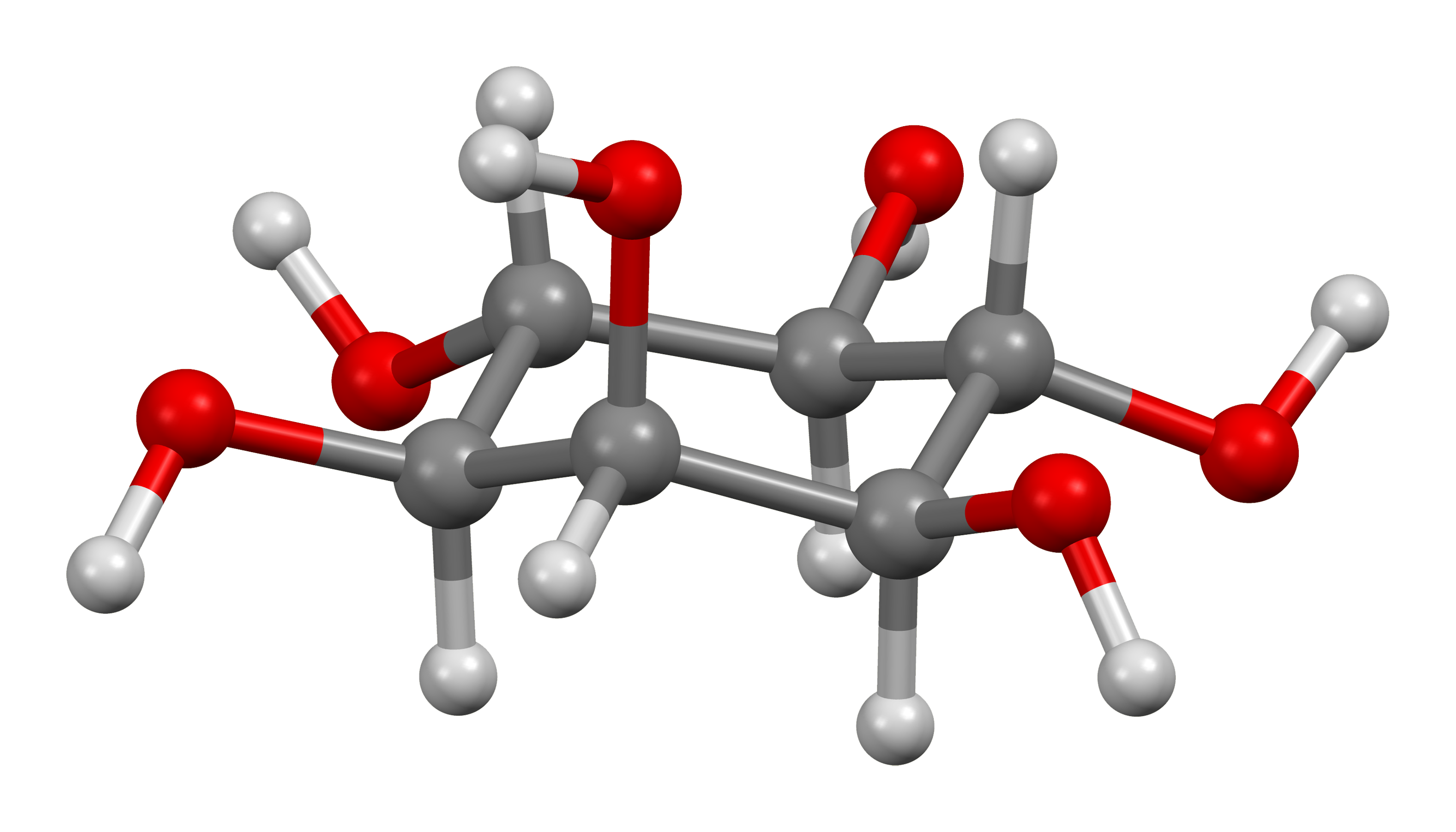
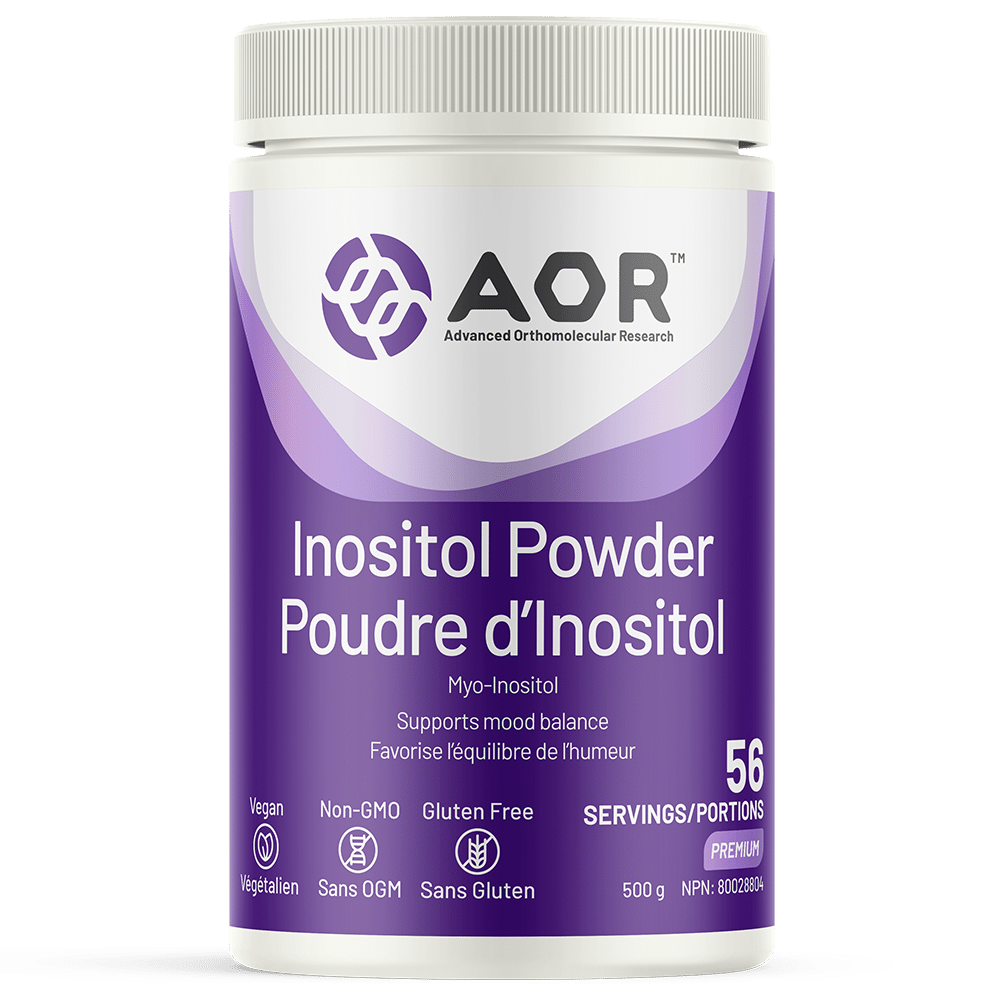

Inositol acts as a second messenger in brain cells, enhancing serotonin signaling. Research shows that 12-18 grams daily can improve OCD symptoms, particularly when used alone rather than combined with SSRIs.
The catch: That's a lot of powder. Inositol requires high doses, which can cause bloating. Start low (2-3 grams) and increase slowly over weeks.
Who it's for: People who've tried NAC and want additional serotonin support, or those who can't take SSRIs.
🟡 Curcumin – The Anti-Inflammatory Powerhouse

🎥 Video on curcumin's brain benefits · Creative Commons attribution
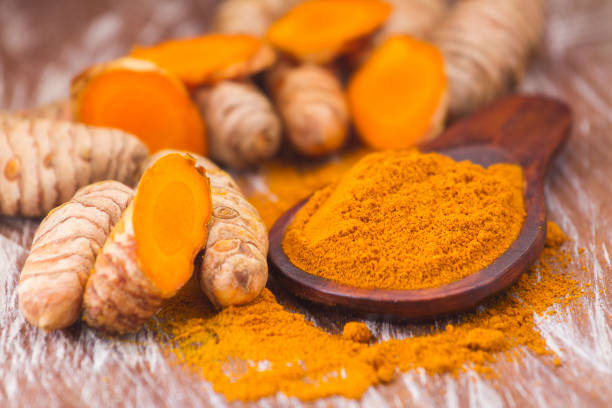
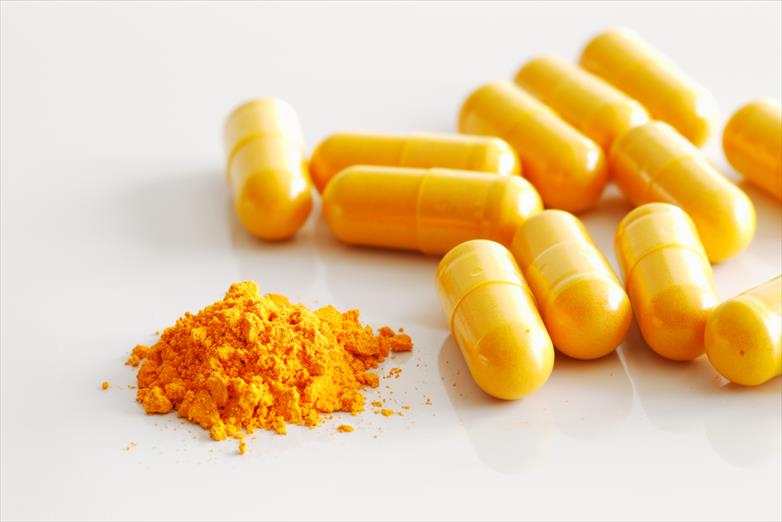
Curcumin, the active compound in turmeric, crosses the blood-brain barrier and reduces neuroinflammation. A 2024 review found it "substantially improved working memory" and showed promise for reducing OCD symptom severity.
The trick: Curcumin needs black pepper (piperine) or a fat-based delivery system for absorption. Look for formulations with BioPerine or liposomal delivery. Dosage: 500-1,000 mg of standardized curcumin daily.
⚡ Zinc & Vitamin D – The Essential Minerals

🎥 Video on zinc's role in brain health · Creative Commons attribution
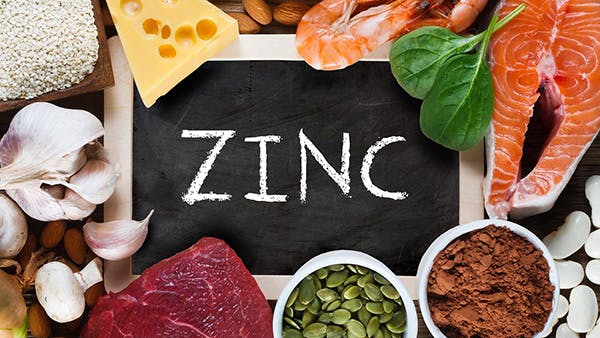
Zinc deficiency is surprisingly common and has been linked to OCD symptoms. Zinc supports neurotransmitter function and helps regulate glutamate. Dosage: 15-30 mg daily, ideally with copper to maintain balance (zinc can deplete copper over time).
Vitamin D: Multiple studies show that people with OCD often have low vitamin D levels. Replenishing vitamin D supports overall brain function and mood regulation. Dosage: 1,000-2,000 IU daily, or higher if blood tests show deficiency.
🐟 Omega-3 Fatty Acids – The Brain Foundation

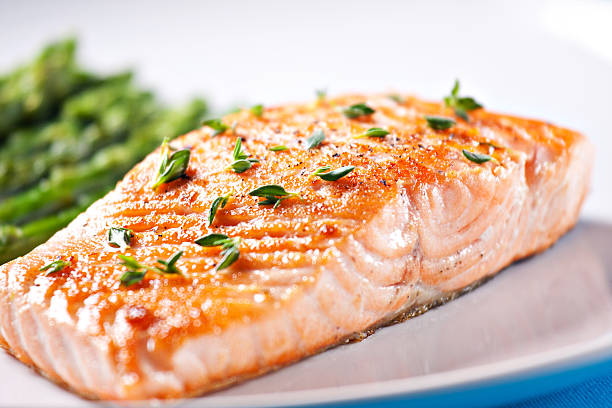
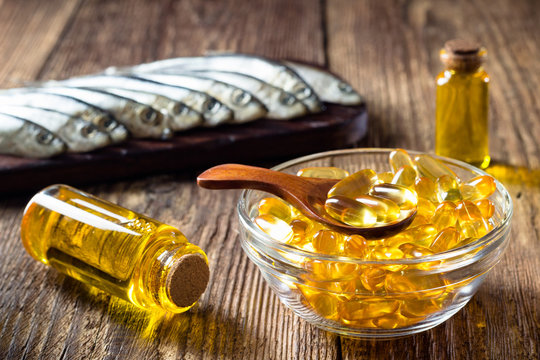
While not specifically studied for intrusive thoughts, omega-3s provide essential support for brain cell membranes and reduce inflammation. They're the nutritional foundation every brain needs. Dosage: 1,000+ mg combined EPA/DHA daily.
Disclosure: We may earn commissions on qualifying purchases.
⚠️ What Doesn't Work (So You Don't Waste Money)
| Supplement | Verdict |
|---|---|
| St. John's Wort | Ineffective for OCD specifically; interacts dangerously with many medications. |
| 5-HTP / Tryptophan | No evidence for intrusive thoughts; risk of serotonin syndrome if combined with SSRIs. |
| Milk Thistle | One small positive study, never replicated—essentially unproven. |
| Borage | Extremely preliminary; requires PA-free products to avoid liver toxicity. |
| High-dose B vitamins | Helpful for energy but no specific evidence for intrusive thoughts. |
🧪 Putting It All Together – A Sample Protocol
Morning: NAC 600-1,200 mg · Zinc 15 mg · Vitamin D 1,000-2,000 IU · Omega-3s with breakfast
Afternoon: NAC 600-1,200 mg (if splitting) · Curcumin 500 mg with food
Evening: Inositol 3-6 grams (if using) · Magnesium glycinate 200 mg (for sleep)
Remember: Introduce one supplement at a time. Give each at least two weeks before adding another. This way, you'll know what's working.
❓ Frequently Asked Questions
How long until I notice effects with NAC?
Most studies show benefits emerging around 8-12 weeks of consistent use. Some people notice subtle changes earlier—usually around week 4-6. NAC isn't a quick fix; it's a gradual optimizer.
Can I take NAC with my antidepressant?
In most cases, yes. NAC works differently than SSRIs and is generally considered safe to combine. However, always inform your doctor about any supplements you're taking.
Can NAC cause anxiety?
Rarely, some people report initial anxiety when starting NAC. This usually passes within a week or two. If it persists, reduce your dose and increase more slowly.
Is NAC safe long-term?
Yes, NAC has an excellent long-term safety profile. It's been used clinically for decades. Some people take it for years without issues.
What about glycine with NAC?
Glycine and NAC combine to form glutathione more efficiently. Adding 1-3 grams of glycine daily can enhance NAC's effects.
🛒 Where to Buy Quality Supplements
When choosing supplements, look for:
- Third-party tested (certificates of analysis available)
- Clear labeling with exact ingredients and doses
- Good manufacturing practices (GMP certification)
- Positive reputation in the nootropics community
Disclosure: We may earn commissions on qualifying purchases.
📋 Summary: Most Powerful Options at a Glance
| Supplement | Primary Benefit | Daily Dose | Evidence Strength |
|---|---|---|---|
| NAC | Glutamate balance, antioxidant | 2,400-3,000 mg | ★★★★★ Strongest |
| Inositol | Serotonin signaling | 12-18 g | ★★★☆☆ Moderate |
| Curcumin | Anti-inflammatory | 500-1,000 mg | ★★★☆☆ Moderate |
| Zinc | Corrects deficiency | 15-30 mg | ★★☆☆☆ Supportive |
| Vitamin D | Corrects deficiency | 1,000-2,000 IU | ★★☆☆☆ Supportive |
| Omega-3s | Brain foundation | 1,000+ mg EPA/DHA | ★★☆☆☆ Supportive |