
Support Detox, Mood, Brain Health and Recovery with NAC
N-Acetyl Cysteine (NAC) is an acetylated form of the sulfur-containing amino acid L-cysteine. It drives synthesis of glutathione — the body’s master antioxidant — while modulating glutamate signalling. Clinically used for acetaminophen overdose and as a mucolytic, NAC's neurochemical effects make it a powerful candidate for reducing compulsive behaviors, cravings and neuroinflammation.
What is N-Acetyl Cysteine (NAC)?
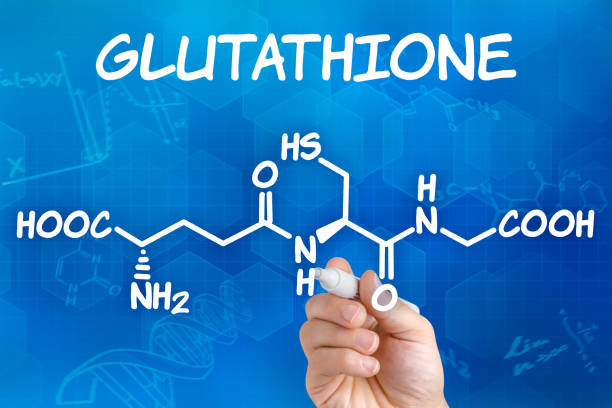
NAC is a stable, acetylated derivative of the amino acid L-cysteine. Once inside the body, NAC donates cysteine — the rate-limiting substrate for the synthesis of glutathione (GSH). Glutathione is a central intracellular antioxidant and detoxifier that protects cells (including neurons) from oxidative stress. NAC crosses important biochemical boundaries to influence antioxidant status, inflammatory signalling, and neurotransmitter balance.
Common clinical uses: acetaminophen (paracetamol) overdose treatment, respiratory conditions (as a mucolytic), and adjunctive therapy in psychiatric and addiction medicine research.
Core Nootropic Mechanisms — a deeper dive
- Glutathione precursor: NAC supplies cysteine which is converted into glutathione (GSH) inside cells — boosting antioxidant capacity and detoxification.
- Glutamate regulation: NAC provides cystine which is exchanged for glutamate via the cystine–glutamate antiporter (system xc-), helping to normalize extracellular glutamate levels and reduce pathological excitatory signalling.
- Redox signalling & inflammation: By increasing GSH, NAC lowers oxidative stress and modulates inflammatory cascades (e.g., NF-κB), which are implicated in depression, anxiety, and neurodegeneration.
- Dopaminergic protection & reward modulation: NAC helps maintain dopaminergic neuron health and can dampen maladaptive reward signalling that underlies cravings and compulsive behaviors.
- Mucolytic & systemic effects: NAC breaks disulfide bonds in mucus, aiding respiratory clearance; systemic antioxidant effects can support recovery from many stressors.

Nootropic & Clinical Benefits
NAC's biochemical effects translate into a range of cognitive and clinical benefits. Not everyone experiences all effects — responses vary with dose, duration, and individual biology — but the primary positive signals reported in trials and clinical practice include:
- Cognitive clarity: reduced brain fog and better executive function when glutamate is dysregulated.
- Mood resilience: improvements in depressive symptoms and mood volatility in some clinical populations.
- Anxiety reduction: reductions in intrusive thoughts and compulsive checking behaviors.
- Craving & addiction support: attenuated drug and behavioral cravings for substances including cocaine, nicotine, and pathological gambling or compulsive internet use.
- Neuroprotection: protects neurons from oxidative damage that accumulates with age, stress, and toxin exposure.
NAC for Addiction and Compulsive Behaviors
NAC is one of the most promising nutraceuticals studied for addiction and compulsive disorders. Its unique combination of glutamate modulation, antioxidant support and dopaminergic protection makes it well suited for addressing core neurobiological drivers of compulsive reward-seeking.
How NAC helps with addiction — mechanistic summary
- Restores glutamate homeostasis: Chronic drug exposure (and many compulsive behaviors) disrupts glutamate signalling in reward circuits, particularly the nucleus accumbens. NAC helps restore extracellular glutamate balance through the cystine–glutamate antiporter, thereby normalizing synaptic plasticity tied to craving and relapse.
- Reduces pathological seeking: By rebalancing glutamate and dampening hyperactive excitatory inputs, NAC reduces cue-induced craving and the compulsive drive that leads to relapse.
- Protects reward circuitry: Oxidative stress from drug exposure harms dopaminergic neurons; NAC's glutathione boosting helps shield these pathways and can improve long-term resilience.
- Supports learning & behavioral therapies: Because NAC influences synaptic plasticity and reduces reactivity to drug cues, it can enhance the effectiveness of cognitive-behavioral and exposure-based therapies when used adjunctively.
Types of addictions where NAC has shown benefit
NAC has been researched across a range of substance and behavioral addictions. Clinical signals include reduced cravings or symptom severity in:
- Stimulant use (e.g., cocaine)
- Nicotine dependence
- Marijuana and cannabis-use disorders (adjunctive findings)
- Alcohol use (adjunctive effects in some studies)
- Compulsive behaviors: gambling, pathological skin picking (excoriation), trichotillomania (hair-pulling), and compulsive internet/video gaming
Real-world implications
For many people, NAC is not a standalone cure — but it can be a powerful adjunct to behavioral treatments, support groups, and, when needed, evidence-based pharmacotherapies. NAC's low cost, favorable safety profile in most adults, and oral availability make it an attractive option to combine with therapy for relapse prevention and reducing cravings.
Clinical Evidence & Key Trials (Summary)
Below is a concise summary of clinical areas where NAC has demonstrated meaningful effects. The magnitude of benefit varies and many studies are small or preliminary — but the general trend across randomized controlled trials and open-label studies is encouraging.
| Area | Typical findings |
|---|---|
| Obsessive–compulsive & related disorders | Reductions in compulsive symptoms (hair-pulling, skin picking, OCD subgroups) across multiple trials. |
| Substance use disorders | Lowered cravings and reduced use/relapse risk for nicotine and cocaine in some RCTs and pilot studies. |
| Mood disorders | Adjunctive benefits for depressive symptoms in bipolar depression and treatment-resistant depression cohorts. |
| Neurocognition | Improved working memory and executive function in subjects with glutamatergic dysregulation. |
| Antioxidant markers | Raised intracellular glutathione and reduced oxidative stress markers in blood and some brain imaging studies. |
Note: Many trials use doses between 1,200–2,400 mg/day and last 8–24 weeks. Response is often gradual, with improvements visible across weeks to months for chronic conditions.
Practical Protocols & Dosing (for general guidance)
Below are commonly used dosing frameworks from clinical trials and practice. These are educational examples — always discuss changes with a qualified clinician before starting.
- Craving & addiction adjunct: 1,200–2,400 mg/day divided into two doses (e.g., 600–1,200 mg morning and evening). Many studies use 1,200 mg twice daily for robust effect on cravings.
- Compulsive behaviors (OCD-spectrum): 1,200–2,400 mg/day, often tried for 8–12 weeks before evaluating benefit.
- Antioxidant support / general nootropic: 600–1,200 mg/day in divided doses.
- Respiratory / mucolytic use: Higher single doses are used in pulmonary settings — medical supervision is required for acute respiratory dosing.
Stacking tips: Vitamin C and adequate dietary protein may improve cysteine availability and antioxidant support. Avoid stacking with heavy-metal supplements indiscriminately because NAC can chelate certain metals and alter mineral balance.
Duration: For addiction and compulsive disorders, protocols typically run for at least 8–12 weeks, with longer courses (several months) often necessary for sustained benefit and relapse prevention.
Safety, Side Effects & Interactions
Overall, NAC is well tolerated for most adults at common oral doses. However, note the following:
- Common: gastrointestinal upset (nausea, heartburn), mild headache, rare fatigue.
- Occasional: allergic reaction, rash — discontinue if severe hypersensitivity occurs.
- Emotional blunting: a small subset of individuals report reduced emotional range at higher doses; start low and titrate carefully if sensitive.
- Drug interactions: NAC is a chelator and can theoretically interact with heavy metals and some chemotherapies; consult a clinician if you are on specialized therapies. It may also interact with nitroglycerin-like medications (rarely causing headaches) in intravenous contexts.
- Pregnancy & breastfeeding: Data are limited — consult an obstetrician before use.
- Monitoring: For high-dose or long-term use, periodic clinical review is sensible. Routine blood tests are rarely necessary for low-to-moderate oral dosing in healthy adults.
At a Glance
| Attribute | Details |
|---|---|
| Main Compound | N-Acetyl Cysteine (NAC) |
| Primary Mechanisms | Glutathione precursor, glutamate modulation, antioxidant, anti-inflammatory |
| Key Benefits | Brain clarity, mood regulation, reduced cravings, neuroprotection |
| Common Dosing | 600–2,400 mg/day (depends on indication) |
| Side Effects | GI upset, headache, occasional fatigue, rare rash |
Recipes, Practical Tips & Storage
- NAC Smoothie: Blend 600 mg NAC powder with berries, spinach, banana and a splash of citrus to support vitamin C cofactor activity.
- Antioxidant shot: Dissolve NAC powder with vitamin C powder in a glass of water; consume quickly to avoid oxidation of the mix.
- Storage: Keep NAC sealed, away from heat and moisture; powders can clump if exposed to humidity.
Frequently Asked Questions
Q: Is NAC an amino acid?
A: NAC is a derivative of the amino acid cysteine (an acetylated form). It is often described as an amino acid precursor because it provides the cysteine necessary for glutathione synthesis.
Q: How quickly does NAC reduce cravings?
A: Timing varies. Some people notice reduced reactivity to cues within 1–2 weeks, but reliable clinical changes in cravings and compulsive behaviors typically require 6–12 weeks of consistent dosing.
Q: Can I take NAC with other nootropics?
A: Yes — NAC pairs well with compounds that support mitochondrial and antioxidant health (e.g., Omega-3s, vitamin C). Be cautious combining with agents that influence metal balance or chelation without medical advice.
Q: Will NAC make me feel sedated or dull?
A: Most users do not feel sedated; however, a minority report mild emotional blunting or reduced intensity of feelings at higher doses. If you experience this, try lowering the dose or spacing doses differently.
Final Thoughts
NAC is a versatile, well-researched adjunct for brain health and addiction support. Its ability to restore glutamate balance and boost glutathione gives it a unique role in combating compulsive behaviors and protecting the brain from oxidative injury. While not a magic bullet, NAC can significantly improve outcomes when paired with behavioral therapies, social support, and clinical care.
* Affiliate links support ongoing content creation.